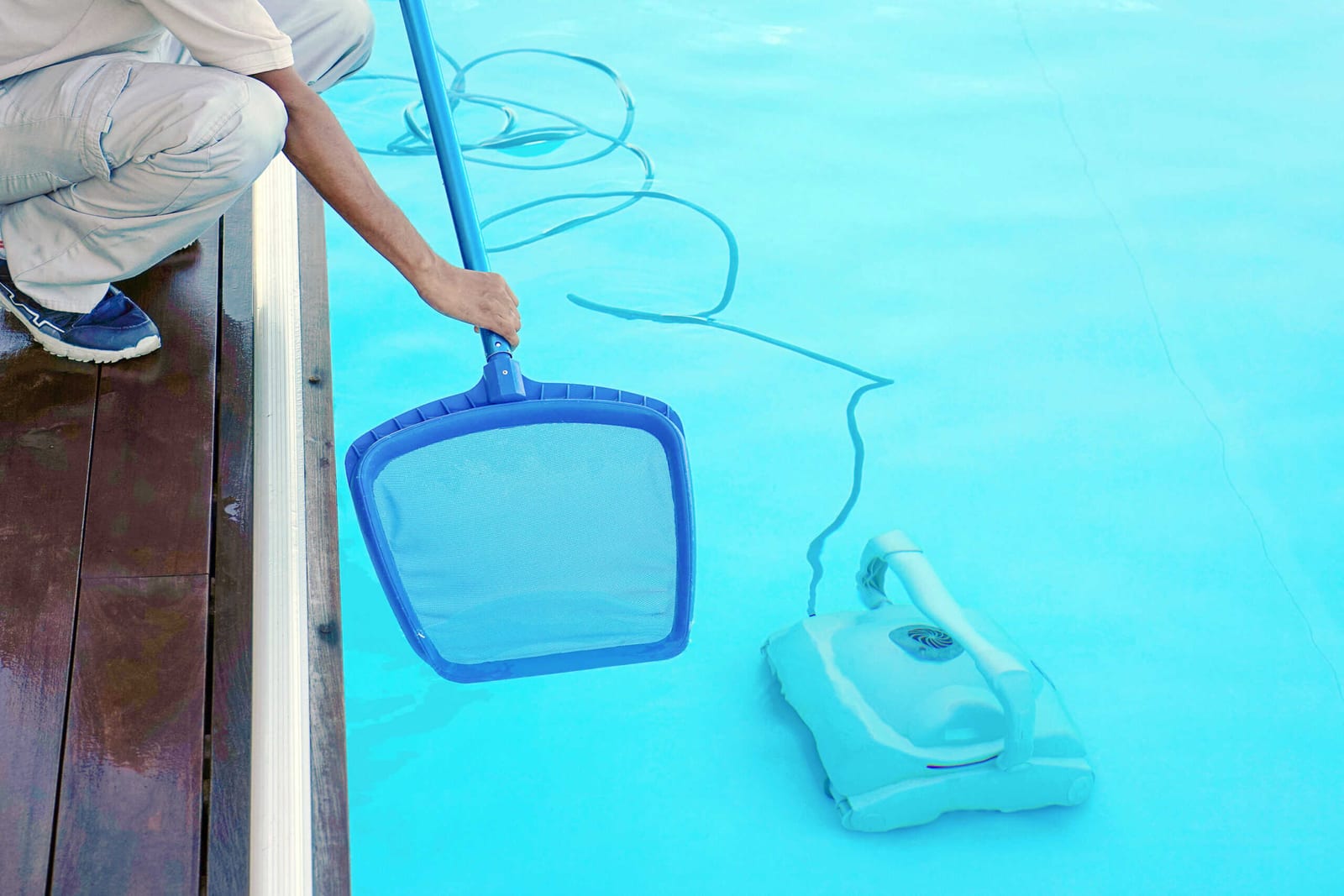
📌 Key Takeaway: Extending equipment life is one of the fastest ways pool service companies can cut waste, control costs, and run cleaner operations.
How to Optimize Pool Equipment Lifecycles for Sustainability
Pool equipment lasts longer when service teams treat maintenance as a system, not a reaction. That means tracking condition, replacing worn parts before they fail, and making buying decisions with energy use and durability in mind. For pool service companies, sustainability is not separate from profitability. The same habits that reduce waste also reduce downtime, emergency calls, and unnecessary replacements.
The most effective approach starts with three priorities: preventive maintenance, smarter product choices, and better operational visibility. If technicians know what was serviced, when it was serviced, and what is likely to fail next, they can keep equipment in the field longer and avoid wasteful churn. Tools like EZ Pool Biller support that process by keeping service history organized and helping teams stay on schedule. That makes sustainability practical instead of theoretical.
A concrete example makes the point clear. A route technician who regularly checks filters, pump baskets, and seals can often catch a problem long before the motor is damaged. Instead of replacing the full unit after a breakdown, the business may only need a repair or part swap. That saves materials, reduces labor disruption, and keeps the customer’s pool running without a costly emergency visit. Small habits like that add up across a route.
The Importance of Preventive Maintenance
Preventive maintenance is the foundation of longer equipment life. When systems are inspected on a schedule, minor issues stay minor. A loose fitting, a clogged filter, or a pump that is running hotter than normal can be corrected before it damages surrounding parts. That matters because equipment usually fails in stages, not all at once. Catching the early signs gives service teams more control over the outcome.
The environmental benefit is straightforward. A piece of equipment that runs efficiently uses less energy, wears more slowly, and stays in service longer. The business benefit is just as clear. Fewer emergency replacements mean less labor spent on urgent fixes and less money tied up in unplanned purchases. Preventive maintenance also makes service more predictable for customers, which helps build trust.
Pool service teams can strengthen this process by using complete pool service management software that keeps maintenance records, scheduling, routing, chemical tracking, customer communication, reports, payroll, and QuickBooks integration in one place. When the team can see the full service history for each account, it becomes easier to spot repeat issues and respond before they become equipment failures. That kind of visibility turns maintenance into a repeatable process instead of a memory test.
Choosing Eco-Friendly Products
Sustainable equipment lifecycles also depend on what you install and what you recommend. Some products last longer, use less energy, and create less waste over time. That makes the upfront decision important. If a part or system is built for efficiency, it often pays off through lower consumption and fewer replacements.
Energy-efficient pumps and heaters are a good example. They can reduce operating demand while still delivering the performance customers expect. In some cases, the long-term savings outweigh the higher initial cost, especially for accounts where equipment runs often. Saltwater systems can also reduce reliance on traditional chlorine handling, which may appeal to customers who want a lower-maintenance setup.
Biodegradable cleaning products play a role too. They help limit chemical runoff and reduce the environmental impact of routine service work. For pool companies, this is also a branding advantage. Customers increasingly notice whether a provider makes thoughtful product choices, and eco-conscious options can support both retention and referrals.
The key is to choose products that support durability, not just novelty. Sustainable service is not about chasing the newest feature. It is about selecting equipment and chemicals that keep pools healthy with less waste over the long run.
Leveraging Technology for Resource Management
Technology helps service teams use time, fuel, chemicals, and equipment more efficiently. Without good systems, crews often repeat work, over-order supplies, or miss early warning signs. With the right tools, they can see what was done, what remains open, and what each account needs next.
Scheduling and route tools reduce wasted driving and keep technicians on efficient paths. Inventory visibility prevents overbuying parts that sit unused while other items run out. Service records also matter, because technicians can review what has already been replaced and what symptoms showed up before a failure. That history makes future decisions better.
Smart sensors and connected devices can add another layer of control. When a pool condition changes, technicians can respond sooner instead of waiting for a customer complaint or a visible breakdown. That often protects pumps, heaters, and filtration systems from avoidable wear. Advanced analytics then help the business see patterns across routes and account types, which supports better planning and purchasing.
For pool service businesses, the goal is not technology for its own sake. The goal is fewer wasted trips, fewer missed issues, and longer-lasting equipment. Software should help the team work with more precision, because precision is what protects both the environment and the balance sheet.
Best Practices for Sustainable Pool Equipment Lifecycles
Strong practices turn sustainability from an idea into a daily operating standard. A business does not need a complicated program to make real progress. It needs consistent habits that technicians, managers, and office staff follow every day.
Regular staff training should start with the basics of equipment care and end with accountability in the field. Technicians need to know how to spot early failure signs, how to document what they found, and how to escalate problems before they spread. When the whole team understands why maintenance matters, the work becomes more consistent.
Eco-friendly products should also be part of the default service standard, not a special exception. If a business already has preferred chemicals, cleaning products, and replacement parts, it should review them through a sustainability lens. The same applies to equipment purchases. Energy-efficient upgrades make the most sense when the current system is nearing replacement or showing signs of inefficiency.
Recycling old equipment and handling spent chemicals responsibly keeps waste out of the wrong places. Tracking energy and water use helps management see which accounts, routes, or service patterns create unnecessary consumption. That information can guide better decisions on scheduling, replacement timing, and customer education.
The common thread is discipline. Businesses that make these practices routine waste less, spend less, and create a stronger reputation with customers who care about responsible service.
Engaging Clients in Sustainability Initiatives
Customers play a real role in equipment lifecycle management. If they understand why a recommendation matters, they are more likely to support it. That makes client communication part of sustainability, not just a sales task.
Technicians and office teams can explain the value of practices that reduce wear and energy use. Solar pool covers, for example, help reduce heating demand and limit evaporation. Saltwater systems may also be easier for some customers to maintain over time. These are not abstract benefits. They affect operating cost, comfort, and the frequency of service issues.
This is where clear communication pays off. When customers understand the reason behind a recommendation, they are more likely to approve it and maintain it correctly. They also see the provider as a partner instead of a vendor. That matters because sustainability initiatives work best when the customer participates.
Engaged clients tend to stay more loyal because they feel connected to the outcome. They are not just buying a weekly visit. They are helping protect their equipment, control waste, and keep the pool in better condition for longer. That shared responsibility strengthens the relationship and supports retention.
Innovations in Pool Equipment Design
Equipment design is improving in ways that support longer lifecycles and lower operating impact. Manufacturers are paying more attention to energy efficiency, durability, and material quality. That is good news for service businesses, because better-designed equipment is usually easier to maintain and less likely to fail early.
Newer pumps and heaters are built to do more with less energy. Some filtration systems also require less frequent replacement and can keep water clear with lower input. That means fewer parts moved through the supply chain and fewer service disruptions for the customer. Over time, that kind of design improvement reduces waste across the full lifecycle.
The practical takeaway is simple: pay attention to what lasts, not just what costs less today. A better-designed component can save time in the field and reduce callbacks. It can also make the service business look more professional, because customers notice when equipment runs cleaner and lasts longer.
Staying current on equipment design changes helps managers make better purchasing decisions. It also helps technicians explain why a newer option may be the better long-term choice. In sustainability work, design quality and field performance go hand in hand.
Conclusion
Optimizing pool equipment lifecycles for sustainability is a business discipline, not a slogan. The companies that do it well combine preventive maintenance, better product selection, smarter technology, and clear client communication. That combination reduces waste, lowers operating strain, and keeps equipment in service longer.
The real advantage comes from consistency. When teams track service history, respond early to wear, and make deliberate equipment choices, they create fewer breakdowns and fewer replacements. That helps the environment, but it also helps the business run with more control.
If you want to build those habits into daily operations, start with the systems that keep maintenance visible and repeatable. Complete pool service management software like EZ Pool Biller can help organize service history, billing, routing, chemical tracking, payroll, QuickBooks integration, reports, and the customer portal in one place. That gives your team the structure needed to support longer equipment lifecycles and a more sustainable operation.
Frequently Asked Questions
What preventive maintenance checks help extend pool equipment life the most? Regularly inspecting filters, pump baskets, seals, and fittings helps catch small problems before they spread. You should also watch for equipment that is running hotter than normal, because that can signal early failure. Addressing these issues on a schedule keeps equipment efficient and reduces the chance of a full breakdown.
Why does sustainability also improve profitability for pool service companies? Sustainability cuts waste, but it also reduces downtime, emergency calls, and unnecessary replacements. When you repair parts before they fail, you avoid labor disruption and costly urgent visits. That means the same practices that conserve materials also support a more reliable and efficient business.
How should you decide when to repair a component instead of replacing the whole unit? Make the decision based on condition tracking and early detection. If you catch a problem before it damages the motor or other surrounding parts, a repair or part swap may be enough. Replacing only what is worn helps keep the equipment in service longer and avoids wasting materials.
What kind of operational visibility helps teams keep equipment in the field longer? Technicians need to know what was serviced, when it was serviced, and what is most likely to fail next. Organized service history helps teams stay on schedule and spot patterns before they become breakdowns. That kind of visibility makes preventive maintenance more practical and less reactive.