📌 Key Takeaway: Local events work best as seasonal promotion channels when your offer matches the crowd, your team creates a memorable experience, and you follow up fast after the event.
How to Leverage Local Events for Seasonal Promotions
The right seasonal promotion can turn a local event into a real sales opportunity. The key is not simply showing up. You need a clear offer, a message that fits the event, and a way to keep the conversation going after the crowd goes home.
Local events give businesses something paid ads usually cannot: face-to-face attention in a setting people already trust. A fair, festival, parade, or sports event puts your brand in front of local buyers when they are relaxed, social, and open to discovery. That makes events a strong fit for seasonal campaigns, especially when your business depends on community visibility and repeat business.
This guide breaks the process into practical steps. You will see how to choose the right event, build a promotion around it, create an experience that people remember, and measure what actually worked.
Understand the Local Event Landscape
Start with the event itself. Not every local event attracts the same audience, and that is the first decision that shapes the rest of your promotion. A farmers' market brings a different crowd than a parade. A community festival draws different attention than a home show. If you know who attends, you can match the offer to the people most likely to care.
The goal is fit, not volume. A smaller event with the right audience can outperform a larger event that has little connection to your services. That is why businesses should pay attention to the theme, timing, and location of each event before committing resources. Seasonal promotions work best when the event already supports the story you want to tell.
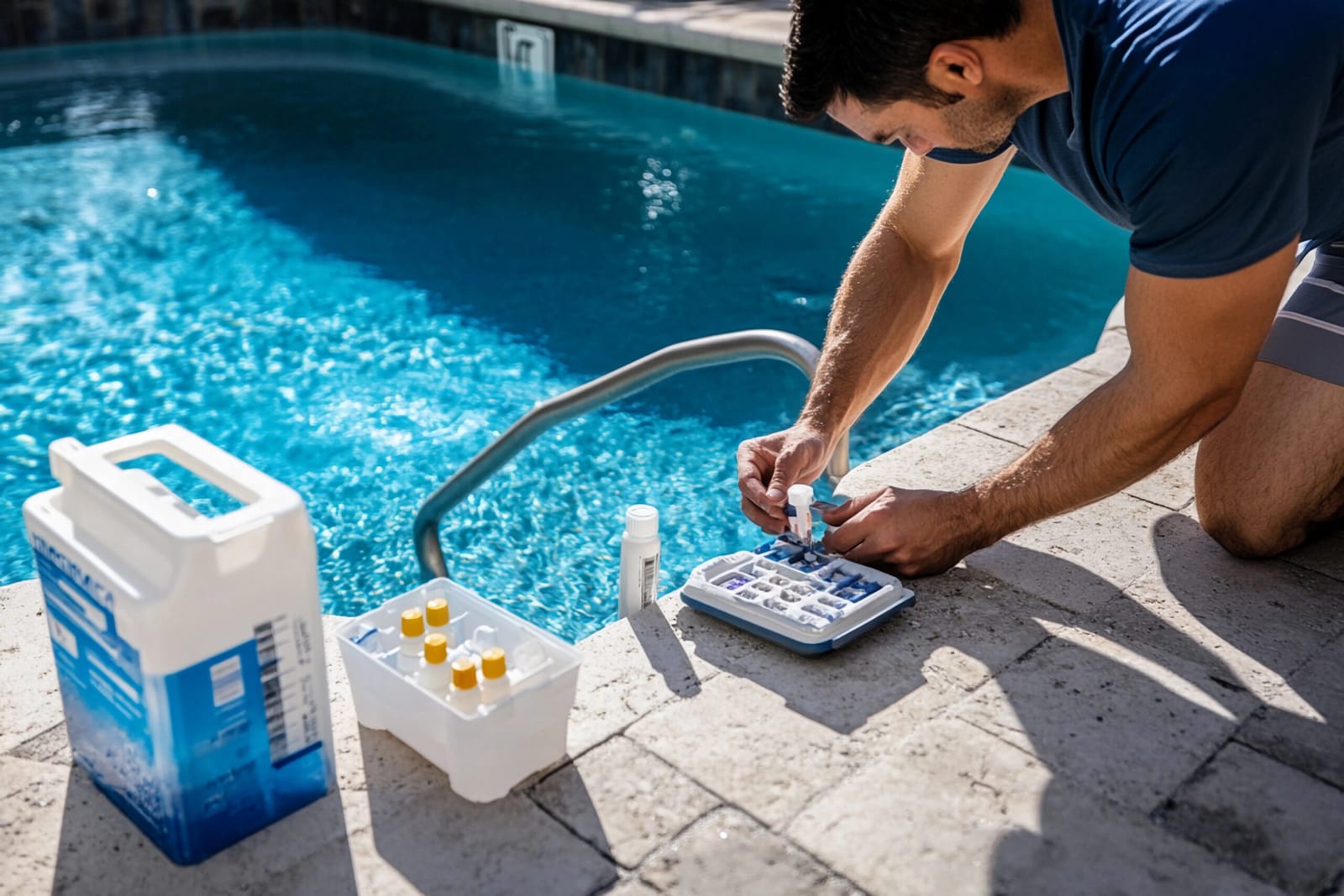
A pool service company, for example, can make much better use of a summer community fair than a generic local gathering. The audience is already thinking about warm-weather maintenance, outdoor living, and keeping their pool ready for use. If your promotion speaks directly to that need, it feels timely instead of forced.
Local presence also builds trust. People are more likely to remember a business they have seen in person, especially when the business shows up consistently in the community. That familiarity makes the next step easier, whether the goal is a quote, a consultation, or a sale.
Housing activity can also shape event timing. The Federal Reserve Bank of St. Louis housing starts series reported 1,427.00 thousand starts SAAR on June 1, 2026, which points to ongoing movement in neighborhoods where new homeowners may be getting settled and looking for service providers. When more homes are being built or occupied, local events in those areas can become stronger seasonal touchpoints for businesses that rely on visibility.
Plan Promotions Around the Event, Not After It
Strong event marketing starts before the event opens. Once you know which local event fits your audience, set one clear goal for the promotion. You might want more leads, stronger brand recognition, or immediate sales. Each goal changes the offer you should build.
The promotion should feel connected to the event. A summer fair can support a seasonal discount, a limited-time consultation offer, or a bundle tied to warm-weather maintenance. The event gives the promotion its context, and the context gives the offer more credibility. If the crowd understands why the promotion matters right now, they are more likely to respond.
The materials should reinforce that message. Banners, flyers, table displays, and digital screens need to communicate the offer quickly. People move through events fast, so your messaging must be simple and easy to read. QR codes can help here by making it easy for attendees to get more information without waiting for a salesperson to explain every detail. A well-placed QR code can send someone straight to EZ Pool Biller or another relevant page while interest is still high.
One practical example makes this easier to picture. Imagine a pool service company at a summer fair with a booth near the family activities area. Instead of handing out a generic flyer, the team offers a seasonal pool maintenance special tied to the fair dates. The booth includes a simple sign, a quick explanation from staff, and a QR code that lets visitors save the offer on the spot. That approach turns casual interest into a concrete next step.
Create an Experience People Will Remember
A strong event promotion does more than advertise. It gives people something to do. That is what makes the booth, table, or display feel worth stopping for. If your setup only distributes flyers, many attendees will keep walking. If it offers interaction, they are more likely to stay, ask questions, and remember your business later.
The best experiences are simple and relevant. Giveaways work when they connect to your service. Demonstrations work when they show value fast. Activities work when they create a reason to stop and talk. A pool service company might use a small demo display, a visual before-and-after example, or a quick service explanation that shows the difference between basic maintenance and dependable care. The point is to make your value visible.
Staff matters just as much as the setup. People who work the booth should be able to answer questions clearly and confidently. They should know the offer, understand the audience, and be ready to explain the next step without sounding scripted. That human interaction creates trust, which is often what turns interest into action.
Event-only offers can also create urgency. A limited-time discount or bonus service gives attendees a reason to act before they leave. That does not mean pressure tactics. It means giving people a clear reason to move now instead of putting the decision off.
Use Online Channels to Extend the Event
Local events do not end when the gates close. Social media gives you a way to keep the promotion visible before, during, and after the event. If people already follow your business, event posts can remind them where you will be and what you are offering. If they do not follow you yet, event content gives them a reason to start.
Before the event, post where you will be, what you are offering, and why people should stop by. During the event, share photos, short clips, and live updates that show real activity. That content makes your business feel active and present in the community. It also helps people who could not attend see that your brand is engaged and accessible.
Event-specific hashtags can help customers find your posts and share their own photos. Check-ins and tagged posts extend your reach without extra ad spend. If the event allows it, live streaming a demonstration or a customer interaction can bring in a wider audience while the event is still happening.
The same idea applies to behind-the-scenes content. A quick post showing your team setting up, preparing materials, or talking with attendees makes the brand feel more personal. People respond to businesses they can picture in motion, not just businesses they see in ads.
Measure What the Event Actually Produced
After the event, the real work begins. You need to know whether the promotion created business or just activity. That means looking at the results with a clear eye. Sales matter. Leads matter. Engagement matters. But they all need context.
Start by reviewing the feedback you heard during the event. Did people ask the same questions? Did one offer get more attention than another? Did visitors understand the promotion quickly, or did they need extra explanation? Those details help you improve the next campaign.
Then look at follow-up behavior. A thank-you email to attendees gives you another chance to convert interest into action. If you offered a limited-time promotion, that message can remind people to take the next step while the event is still fresh in their minds. This is also where tracking matters. If you know which conversations turned into sales or service sign-ups, you can see which event tactics produced results.
Software can help keep this process organized. EZ Pool Biller can support the tracking and customer management side of that follow-up, which makes it easier to connect event activity with later payments and customer relationships. The value is not just storing data. It is making the results usable when you plan the next promotion.
Learn from Real Promotions That Worked
Real examples show how local events can drive seasonal business when the offer matches the setting. One bakery at a citywide food festival used free samples and discount coupons to attract new customers. The samples got people to stop. The coupons gave them a reason to buy later. That simple combination turned event traffic into repeat business.
A fitness studio used outdoor yoga classes during a local summer fair to reach people who were already interested in health and wellness. The studio did not rely on passive advertising. It created a direct experience that let people try the service in the middle of the event. That made the brand easier to trust and easier to remember.
Those examples work because they connect the promotion to the event experience. The offer does not feel random. It feels like a natural extension of the event itself. That is the model to follow in any industry, including pool service. When the event and the promotion reinforce each other, the result is stronger than either one alone.
Build Better Habits for Future Events
The best event marketers do not treat each appearance as a one-time push. They build a repeatable system. That starts with planning early. Early planning gives you more time to design materials, coordinate staff, and shape the offer around the event.
It also means tailoring your message to the local audience. A promotion that fits local traditions, seasonal concerns, or community interests will always land better than a generic one. People notice when a business understands the local context. That understanding builds credibility.
Collaboration can help too. Partnering with another local business can expand your reach and reduce the burden on either side. Cross-promotion works because it brings together audiences that already trust local brands. It also strengthens the sense that your business is part of the community, not just visiting it for a sale.
The final habit is data collection. Keep notes on attendance, questions, follow-up, and conversion. Those details help you compare one event to another and decide where to invest next. Without that record, you are guessing. With it, you are improving.
Bring the Event Strategy Together
Local events give seasonal promotions a built-in audience and a clear sense of timing. When you choose the right event, plan a focused offer, create a real experience, and follow up with intention, the promotion does more than create short-term attention. It builds familiarity and trust that can support future business too.
The strongest results come from consistency. Each event teaches you something about your audience, your message, and your process. Use those lessons to sharpen the next promotion. If you want the operational side of that follow-up to stay organized, EZ Pool Biller can help you manage the billing and customer tracking that comes after the event.
Frequently Asked Questions
How do I decide whether a local event is a good fit for my seasonal promotion? Look at who attends the event, what the event is centered around, and when and where it happens. A good fit means the audience already has a reason to care about what you sell, so your offer feels relevant instead of random. Smaller events can be more effective than larger ones if the crowd matches your services closely.
What should my promotion include if I want it to work at a local event? Your promotion needs a clear offer and a message that matches the event’s theme and the season. If you align the promotion with what people are already thinking about at that moment, it feels timely and natural. You also need a way to continue the conversation after the event so the attention does not end when the crowd leaves.
Why is face-to-face presence at local events more valuable than relying on paid ads alone? Local events put your business in front of people in a trusted, social setting where they are more open to discovery. Seeing you in person helps create familiarity, and that familiarity can make your business easier to remember later. This is especially useful if you depend on community visibility and repeat business.
How can I make my seasonal event marketing feel relevant instead of forced? Choose events that naturally connect to what your customers are already interested in during that season. For example, a pool service company fits better at a summer community fair because the audience is already thinking about outdoor living and warm-weather maintenance. When your message speaks directly to that mindset, it feels helpful and timely.