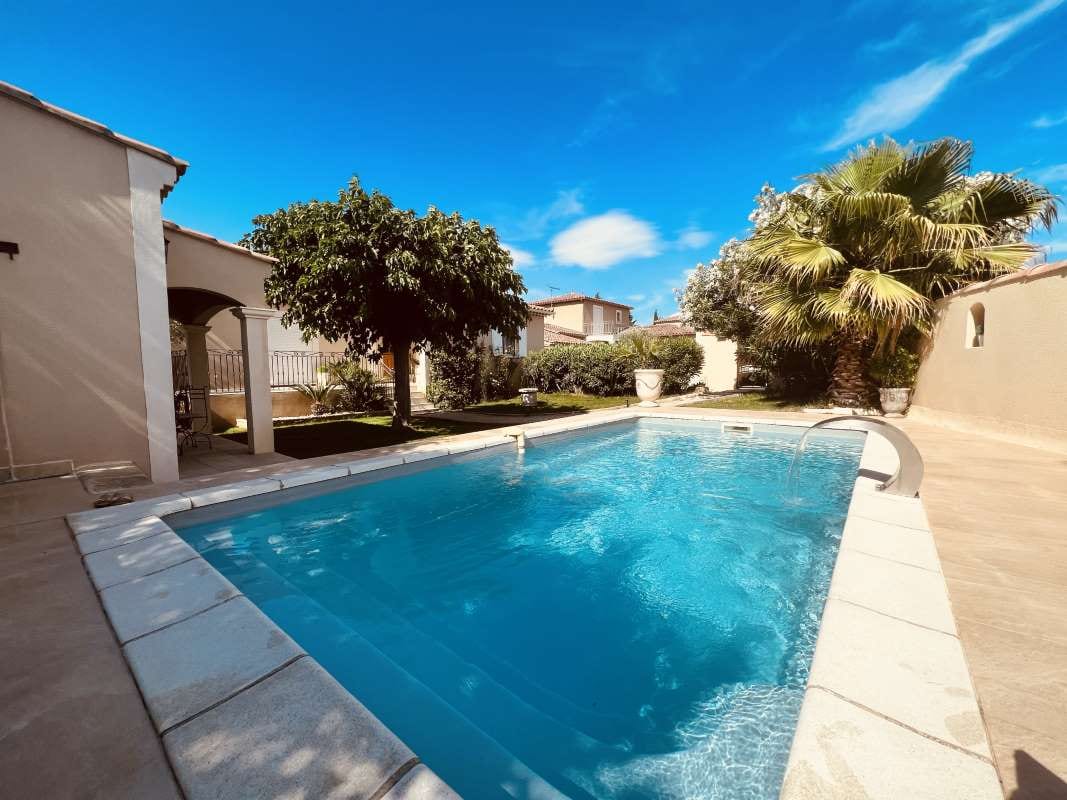
How to Leverage Event Sponsorships to Gain New Customers
📌 Key Takeaway: Event sponsorships work when you treat them as a lead-generation system, not a logo-placement exercise.
Event sponsorships can still drive new business, but only when they fit a clear goal. A good sponsorship puts your brand in front of the right people, gives them a reason to talk to you, and creates a follow-up path that turns interest into customers. That means choosing events carefully, designing a useful on-site experience, and tracking what happens after the event ends.
For a pool service company, that could mean sponsoring a local pool day, a home show, or a regional industry event where homeowners and property managers are already thinking about maintenance, repairs, and service reliability. The event itself is only the starting point. The real value comes from how well you convert the attention you buy into contact information, conversations, and signed accounts.
Housing conditions can sharpen that opportunity. U.S. housing starts were 1,177.00 k SAAR on May 1, 2026, according to FRED’s HOUST series. By June 1, 2026, that figure had moved to 1427.00 k starts SAAR, up 228.00 from the prior reading. The next reading on July 1, 2026 showed 1239.00 k starts SAAR, down 176.00 from the prior month. That kind of movement does not guarantee pool demand, but it does point to new neighborhoods, new owners, and more prospects who will need ongoing service. When more homes are being built, event sponsorships give you a way to meet some of those prospects before they settle on a service provider.
Home prices can matter too. The FRED CSUSHPINSA series showed a U.S. home price index of 332.68 on April 1, 2026, up from the prior reading. Higher home values often mean owners are paying closer attention to upkeep, curb appeal, and property condition, which makes the right event audience more valuable.
This article breaks down the process from selection to follow-up. It also shows how to measure whether a sponsorship is worth repeating. The goal is straightforward: use event sponsorships to build a repeatable customer acquisition channel, not a one-off branding stunt.
Understanding the Value of Event Sponsorships
Event sponsorships work because they combine visibility with context. People are already gathered around a topic, a community, or a cause, which makes your message easier to place and easier to remember. That direct setting is hard to match with broad advertising.
The real strength of sponsorships is the human interaction. When attendees can meet your team, ask questions, and see how you think about service, trust builds faster than it does through a banner or a social post. That matters in pool service, where customers want reliable communication, clean work, and a company that will show up when promised.
Sponsorships also help a business borrow credibility from the event itself. If the event is respected, well attended, or tied to a cause people care about, your brand gains some of that positive association. That makes a difference when your goal is not just visibility, but qualified leads.
A concrete example makes this clear. Suppose a pool service company sponsors a local community pool day and sets up a small table near the entrance. The team offers free maintenance checklists, answers questions about water chemistry, and invites homeowners to book a consultation. People who stop by are already in a pool-minded setting, so the conversation starts with a real need, not a cold pitch. That is the kind of environment that turns attention into actual customer interest.
New housing activity can make that audience even more valuable. When more homes are being started, there are more prospects who may need a service partner before the season settles in. Event sponsorships let you meet some of those people while they are still deciding who to trust, and the July 1, 2026 housing-starts reading shows that the market can shift fast enough to keep the timing relevant.
Selecting the Right Events
The best sponsorships start with fit. An event should reach the kind of audience you want, reflect the image you want to project, and give you a realistic way to interact with attendees. If the audience is wrong, even a well-run event will produce weak results.
Start with the people in the room. Look at who attends, what they care about, and whether they are likely to need your service soon. For a pool service company, that might mean homeowners, property managers, builders, or local vendors who influence purchasing decisions. The more closely the audience matches your ideal customer, the better your chances of getting useful leads.
Event reputation matters too. A strong event helps your brand look established and dependable. A poorly organized event can do the opposite. Review past sponsors, attendee feedback, and the event’s public presence before you commit. If the event has a pattern of drawing the right crowd and delivering good turnout, it is more likely to pay off.
It also helps to choose events that allow real interaction. A sponsorship that only puts your logo on a banner is weak. A sponsorship that gives you booth space, speaking time, sampling opportunities, or a chance to lead a demo creates a much better path to customer acquisition. If people can talk to you, you can start qualifying them on the spot.
Cause-based events can be especially effective when they align with your brand values. Supporting a charity swim event, for example, gives you a community connection while keeping the topic close to your services. That kind of alignment makes your presence feel natural, not forced.
The broader market context matters here too. New construction and home turnover can create pockets of demand around the same time local events are drawing attention. That is why sponsorship selection should follow audience fit, not convenience. The FRED HOUST series is one useful signal because it shows when housing activity is adding potential customers to the market, and the July 1, 2026 reading shows that the trend can change quickly.
Creating Engaging Experiences
A sponsorship becomes valuable when people remember the experience, not just the logo. That is why the best event teams focus on interaction. They do not wait for attendees to wander up. They create a reason to stop, ask questions, and leave contact information.
For pool service providers, that could mean simple but useful engagement. A short maintenance demonstration, a water chemistry talk, or a checklist that helps homeowners spot common pool problems can all create interest. When the content is practical, attendees see your team as knowledgeable rather than promotional.
Digital tools can support that interaction. QR codes can link to special offers, service guides, or a signup page. Giveaways can work too, but only if they support a real follow-up process. A prize alone does not create a customer. It just creates a name in a list. The giveaway should lead into a conversation about service needs, seasonal maintenance, or a consultation request.
Your team matters just as much as the display. Staff should be trained to explain the brand clearly, ask good questions, and spot buying signals. A knowledgeable team turns a busy booth into a conversation hub. That is where sponsorships start producing leads instead of just foot traffic.
The best experiences feel useful in the moment. If an attendee leaves with a checklist, a reminder about maintenance timing, or a clear next step, your sponsorship has already done part of the sales work. That makes the event easier to justify when you review results later.
The condition of the homes around your audience can also shape the conversation. When buyers are watching home values closely, they tend to care more about upkeep and appearance. That gives your team a practical opening to discuss preventive service instead of waiting for a problem call.
Effective Follow-Up Strategies
The event itself is only half the job. Follow-up is where most sponsorships either pay off or fail. If you wait too long, the interest cools. If your message is generic, the lead disappears.
Start with prompt outreach. Thank people for stopping by, remind them who you are, and make the next step easy. A short, personal message works better than a long promotional email because it feels specific to the conversation they already had with your team.
The best follow-up adds value. For a pool service business, that might mean a seasonal maintenance guide, a water care checklist, or an invitation to ask questions about recurring service. The goal is to keep your brand useful after the event ends. When a prospect sees that you are helping, not just selling, they are more likely to respond.
This is also where a customer relationship management system helps. It keeps names, notes, and follow-up status in one place, so no lead gets lost. It also makes personalized outreach easier, which matters because event leads are often warmer than cold leads but still need a clear next step. If your follow-up is organized, the sponsorship has a much better chance of turning into revenue.
Timing matters as much as tone. The people who visited your booth or stopped for a conversation should hear from you while the event is still fresh in their minds. That keeps the sponsorship from fading into the background and gives your team a better shot at booking the next conversation.
The housing market signal can help here too. When activity in the market supports more moving, building, or ownership turnover, those follow-up messages land in a stronger environment. A well-timed reminder tied to service needs has a better shot at turning a casual contact into a recurring account.
Measuring Success: Metrics that Matter
You cannot improve what you do not measure. A sponsorship that “felt busy” is not the same as a sponsorship that brought in customers. The right metrics show whether the event was worth the cost and effort.
Start with lead volume. How many people did you talk to, and how many gave you a way to follow up? Then look at conversion. How many of those leads became customers? Those two numbers tell you whether the event reached the right audience and whether your team converted interest effectively.
Engagement matters too. Booth visits, conversations, demo signups, and contact form submissions all show how well the event resonated. If attendees were willing to stop and interact, that is a strong sign the sponsorship matched the audience.
Feedback can be useful as well. Post-event surveys can reveal what attendees noticed, what they remember, and whether your brand came across clearly. That information helps you improve your message for the next event.
Tools like EZ Pool Biller can help organize the customer data that comes out of these events. When your team can track leads, service history, and follow-up notes in one place, it becomes easier to see which sponsorships lead to real business. That makes future decisions sharper and more profitable.
The goal is not just to count names. It is to connect the event to actual revenue so you know which sponsorships deserve more of your budget.
Best Practices for Event Sponsorships
Strong sponsorships are planned with the same discipline you would use for any other sales effort. The details matter because they shape whether people remember your brand and whether your team can follow through after the event.
Start early so you have time to choose the right event, prepare your materials, and brief your staff. Last-minute sponsorships usually lead to weak execution. When you plan ahead, you can choose better opportunities and show up with a clearer message.
Keep your brand and audience aligned. If the event does not fit your ideal customer, the sponsorship will underperform. The best events feel natural for your business and useful to the people attending them.
Set a clear objective before the event begins. Decide whether you want brand awareness, lead generation, referral relationships, or direct bookings. Without a defined goal, it is hard to know whether the sponsorship worked.
Build a simple before-during-after plan. Promote your participation ahead of time, engage people during the event, and follow up quickly afterward. That sequence keeps your sponsorship active instead of passive.
Use social media to extend the event’s reach. If you announce the sponsorship, share live updates, and highlight what you are offering, you give the event a second life online. That can help you reach people who did not attend in person but still match your target audience.
The strongest sponsorships usually feel organized from the outside because the planning is tight on the inside. That consistency builds trust before a lead ever fills out a form.
Expanding Beyond Local Events
Local events are often the easiest place to start because they bring you face to face with nearby prospects. Once that approach works, regional and national events can open the door to a wider audience. The basic strategy stays the same, but the scale changes.
Trade shows and industry conferences can be especially useful because they attract more than one type of attendee. You may meet customers, partners, vendors, and referral sources all in the same place. That wider mix can create opportunities that a small local event cannot.
For pool service businesses, regional trade shows can be a practical way to meet homeowners, builders, and other industry players outside your immediate market. The benefit is not just exposure. It is also credibility. Showing up at a larger event signals that your business is established and serious about growth.
National events require a message that travels well. You still need to sound local enough to feel relevant and broad enough to fit a larger audience. That balance comes from clear positioning, consistent service language, and a booth experience that answers the same core question everywhere: why should this customer trust you?
As the audience widens, the same discipline matters even more. Bigger events can create more noise, so the companies that stand out are the ones with a clear offer and a simple way to follow up.
Utilizing Digital Integration
Digital marketing can make event sponsorships much more effective. When your offline presence and online follow-up work together, the sponsorship becomes easier to track and easier to scale.
A dedicated landing page is a smart starting point. It gives attendees one place to learn more, sign up, or request more information. It also helps you separate event traffic from general website traffic, which makes measurement easier.
Social media can extend the event in real time. Posting updates, photos, and short clips keeps the event visible while it is happening. That visibility helps remind attendees to visit your booth and gives non-attendees a reason to learn more later.
Paid digital follow-up can also support your sponsorship. Retargeting ads let you stay in front of people who visited your page or interacted with your event content. That repeated exposure can keep your brand top-of-mind while they compare options.
Used together, offline sponsorship and digital follow-up create a stronger customer acquisition path. The event creates interest. The digital layer captures it. The follow-up turns it into a sale.
The companies that do this well treat the event and the website as one system. That makes the sponsorship easier to manage and easier to improve the next time around.
Bringing Sponsorships Into a Repeatable Growth Plan
Event sponsorships are most effective when they are treated like a system. Choose events based on audience fit, create an experience that invites conversation, follow up with purpose, and measure what happens afterward. That approach turns sponsorships from a branding expense into a practical growth channel.
The businesses that win with sponsorships are usually the ones that stay specific. They know who they want to reach, what message will matter to that audience, and how they will continue the conversation after the event ends. For a pool service company, that might mean leading with expertise, showing up where pool owners already spend time, and using every contact point to move a prospect closer to a signed account.
When the process is clear, sponsorships do more than raise awareness. They create trust, generate leads, and help you build a customer base that keeps growing.
That is why the best sponsorship programs look less like isolated marketing bets and more like a repeatable sales process. Once you can see which events bring in the right conversations, you can invest with more confidence and stop guessing about what works.
Frequently Asked Questions
How do I know if an event sponsorship is actually a good fit for my business? A good fit starts with a clear goal and an audience that already cares about what you sell. You should choose events where attendees are likely to need your service, recognize your value, and be open to a conversation. For a pool service company, that means focusing on settings like local pool days, home shows, or industry events where homeowners and property managers are already thinking about maintenance and reliability.
What should I do at the event to turn sponsorship visibility into leads? Use the sponsorship to create a useful on-site experience, not just brand exposure. Give people a reason to stop, talk, and share their contact information by making your team approachable and ready to answer questions. The goal is to move attendees from awareness to conversation so you can follow up after the event.
Why is face-to-face interaction so important in event sponsorships? Face-to-face interaction builds trust faster than a banner or social post because attendees can meet your team and see how you think about service. That human connection matters when customers care about reliability and communication. Sponsorships work best when they help people remember your brand in a real, practical context.
How should I measure whether a sponsorship was worth repeating? Track what happens after the event ends, not just how much attention you got on-site. The key measures are contact information collected, conversations started, and signed accounts that come from those leads. If a sponsorship consistently creates a clear follow-up path and new customers, it is worth treating as a repeatable acquisition channel.