📌 Key Takeaway: Soft skills training works when it reflects the real conversations your team has with customers, not generic customer-service slogans.
How to Design Soft Skills Training for Service Pros
Strong service teams need more than technical skill. Customers remember how a technician explains a problem, handles a complaint, and follows through after the visit. That is why soft skills training has to be practical, specific, and tied to the work your team actually does.
The best programs do three things well. They identify where communication breaks down, they build habits through practice, and they keep improving after the first training session ends. For service pros, that means training around real calls, real visits, and real customer concerns, not abstract theory.
Why Soft Skills Matter in Service Roles
Soft skills shape every customer interaction. Empathy helps a technician stay calm when a customer is frustrated. Clear communication prevents confusion about what was done and what happens next. Adaptability helps the team respond when the day does not go as planned.
That matters because customers judge service partly on tone, clarity, and professionalism. A technician can do excellent work and still leave a poor impression if the explanation is rushed or vague. The reverse is also true: a clear, respectful conversation can turn a stressful visit into a positive one.
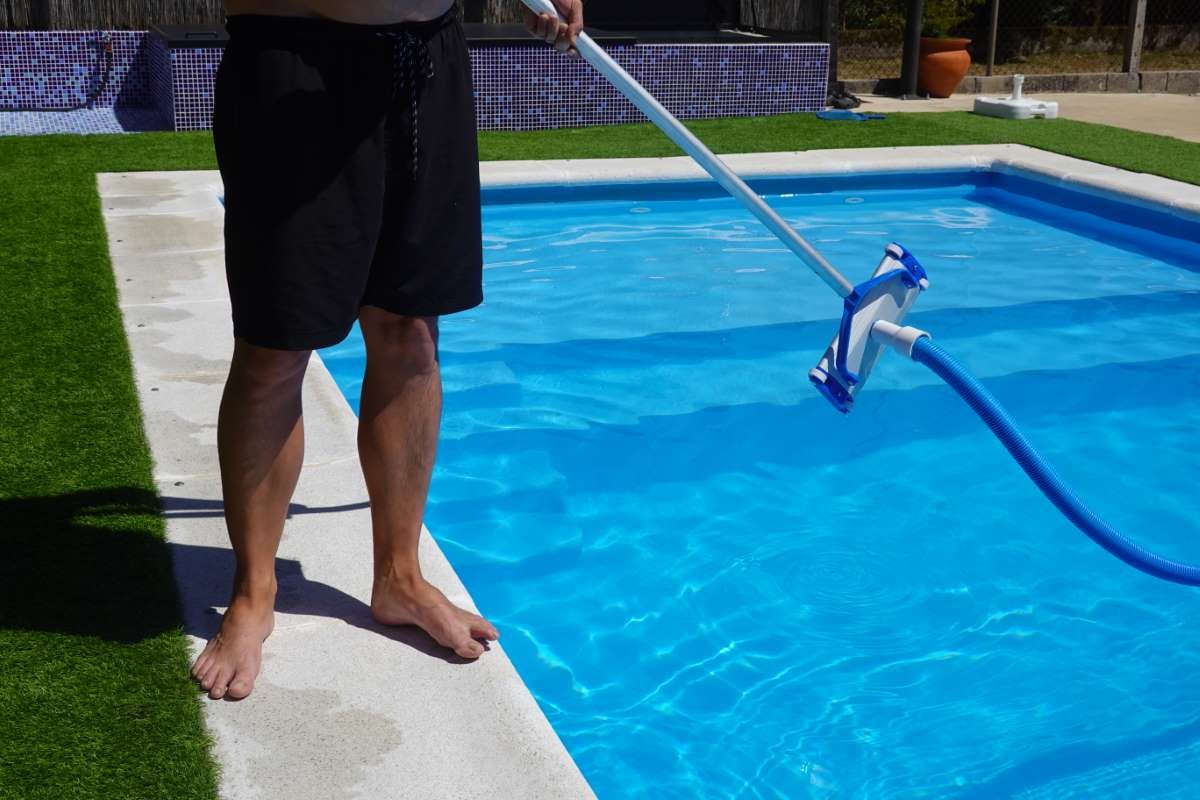
A pool service technician is a good example. If they diagnose a problem with a pump but explain it in technical jargon, the customer may walk away confused and uneasy. If they explain the issue in plain language, outline the next step, and answer questions directly, the customer feels informed and respected. The technical fix matters, but the conversation around it often determines whether the customer trusts the company.
Assessing Training Needs Before You Build the Program
Good training starts with diagnosis. Before you create modules or workshops, find out where your team struggles most. Some teams need help with tone and clarity. Others need support with conflict resolution, listening, or handling upset customers.
Surveys and focus groups can uncover patterns quickly, especially when employees know the goal is improvement rather than blame. You can also review common customer complaints, listen to call recordings, or ask supervisors where misunderstandings tend to happen. If the same issues keep showing up, that is where training should begin.
Role-playing is especially useful here because it reveals habits people do not notice in normal conversation. A technician might sound confident in the field but freeze when a customer pushes back on pricing or asks for a detailed explanation. Practicing those moments in advance gives managers a clearer picture of what to teach and gives employees a safe place to improve.
This step keeps the program focused. Instead of training everyone on everything, you target the skills that will make the biggest difference on the job.
Building Training Modules That People Will Use
Once you know the gaps, build training around the situations your team actually faces. Short lectures rarely change behavior on their own. People learn soft skills by seeing them modeled, trying them out, and getting feedback.
A strong program combines workshops, guided discussion, and practice exercises. Active listening can be taught through paired exercises where one person explains a problem and the other repeats the key details before responding. Empathy can be practiced through scenarios that show how different customer types react to delays, errors, or unexpected recommendations. Customer service etiquette becomes more useful when it is tied to real language your team should use on calls, in the field, or at the door.
The training should also reflect the language and pace of the pool service world. A generic customer-service script will not feel relevant if it ignores route timing, service notes, or recurring maintenance issues. Case studies should use examples your team recognizes so the lesson feels practical instead of abstract. When employees can picture the situation, they are more likely to remember how to handle it.
A well-designed module gives people a repeatable way to respond, not just a concept to remember. That is what makes the training stick.
Using Technology to Reinforce the Lessons
Technology can make soft skills training easier to deliver and easier to revisit. Online modules let employees review material on their own schedule. Video meetings make it possible to train teams across different locations without losing the interactive piece that soft skills require.
A live webinar works well for topics like conflict resolution because managers can pause, answer questions, and walk through examples in real time. Recorded sessions are useful too, especially when you want employees to revisit key ideas before a performance review or after a difficult customer interaction.
Tracking tools add another layer of value because they show whether training is translating into better performance. If you can see which employees are improving and where certain issues persist, you can adjust the program with more precision. That keeps training grounded in evidence instead of assumptions.
Technology should support the lesson, not replace it. Soft skills improve through repetition, reflection, and feedback, and the right tools make that process easier to manage.
Make Feedback Part of the Training Process
Soft skills do not improve in a single session. They improve when people get feedback often enough to adjust their habits. That is why training should be followed by regular check-ins and peer coaching.
One-on-one conversations help managers understand how employees are applying what they learned. An employee may know the right approach in theory but still struggle when a customer is upset or the schedule gets tight. A short follow-up conversation can uncover what got in the way and what support they need next.
Peer feedback is useful too because coworkers often notice small habits that managers miss. A teammate can point out when someone interrupts too quickly, rushes through explanations, or avoids difficult conversations. When that feedback is constructive and specific, it becomes a practical tool for improvement rather than criticism.
This ongoing feedback loop matters because it turns training into behavior change. Employees begin to see soft skills as part of the job, not as a one-time lesson they had to sit through.
Measuring Whether the Training Is Working
If you want training to improve performance, you need a way to measure it. Clear goals make it easier to tell whether the program is helping. Without measurement, it is hard to know what to keep, what to change, or what deserves more attention.
Customer satisfaction data can show whether interactions are improving. Employee retention can also signal whether the work environment is getting healthier. Survey responses and training feedback forms add another perspective by showing how employees view the program and whether the material feels relevant.
Measurement should be simple enough to use consistently. The point is not to create a complex reporting system. The point is to connect the training to real outcomes so managers can see whether the effort is paying off. When the team sees that soft skills are being tracked seriously, they also take them more seriously.
That connection between training and results is what makes the program credible. People are more likely to engage when they can see the impact.
Build a Culture That Supports Soft Skills Every Day
Training works best when the culture reinforces it. If leaders value respect, clarity, and accountability, employees are more likely to practice those behaviors consistently. If leaders ignore them, the training fades quickly.
Recognition helps here. When someone handles a difficult customer well, solves a problem calmly, or communicates clearly under pressure, that should be noticed. Public recognition does not need to be elaborate. It just needs to be specific enough that the team understands what good looks like.
Performance reviews can also support the culture when soft skills are part of the evaluation. That sends a clear message that communication and professionalism matter just as much as technical execution. Employees tend to improve faster when the expectations are visible and consistent.
A strong culture makes soft skills feel normal. Over time, the training becomes part of how the team works instead of something separate from daily operations.
Use Outside Resources to Strengthen the Program
In-house training does not have to do all the work. External workshops, online courses, and certifications can add depth to your program and expose your team to new approaches. That is especially useful when you want fresh perspective or specialized instruction on a topic like customer communication.
Outside resources can also help managers sharpen their own coaching skills. A leader who understands soft skills well can model them more effectively and give better feedback. In many cases, the best training programs combine internal examples with external expertise so employees get both relevance and variety.
The goal is not to outsource your training. It is to build a stronger foundation by using the right resources in the right places. When outside learning connects back to your team’s daily work, it becomes much more valuable.
Bringing the Program Together
Effective soft skills training is practical, ongoing, and tied to real service situations. It starts with identifying the gaps, then builds through targeted practice, feedback, and measurement. The best programs do not stop at the classroom door. They shape how the team talks to customers, handles pressure, and works together every day.
For service companies that want to keep the customer experience consistent, training is only one part of the system. The rest of the operation has to support that standard too. Tools like EZ Pool Biller can streamline billing so your team spends less time sorting out back-office work and more time delivering great service. When your people have the right training and the right systems, they are better positioned to earn trust on every visit.
Frequently Asked Questions
What soft skills should you prioritize for service technicians first? Start with the skills that affect customer confidence most directly: clear communication, empathy, adaptability, listening, and conflict resolution. These help technicians explain issues in plain language, stay calm with frustrated customers, and handle unexpected changes without creating more stress. If your team often hears complaints about tone, confusion, or professionalism, those should be your first training priorities.
How do you identify where your team needs soft skills training? Begin by diagnosing the most common breakdowns in day-to-day interactions. Surveys, focus groups, customer complaints, call recordings, and supervisor feedback can all show whether the main issues are tone, clarity, listening, or handling upset customers. The goal is to find patterns so you can target training where it will make the biggest difference.
Why is role-playing important in soft skills training for service pros? Role-playing gives technicians a chance to practice real conversations before they happen on the job. It helps them build habits for explaining problems, responding to complaints, and answering questions directly without relying on abstract theory. When training is based on real calls, visits, and customer concerns, the team is more likely to use those skills naturally in the field.
How can you keep soft skills training effective after the first session? Treat training as an ongoing process, not a one-time event. Keep reinforcing the behaviors you want through coaching, follow-up practice, and continued feedback from customer interactions. That way, the team keeps improving communication and professionalism instead of slipping back into old habits.